
Omnia Oven Review: The Camp Oven That Actually Works
Table of Contents
- Omnia Oven Review: What This Three-Part Stovetop Oven Actually Does
- How to Use Omnia Oven: Setup, Preheating, and Flame Control
- Omnia Oven Recipes: What You Can Actually Bake and Cook
- Omnia Oven Silicone Liner and Accessories: Worth Adding?
- Best Camp Oven for Van Life: Who the Omnia Fits and Who It Doesn't
- Troubleshooting Uneven Heat and Long-Term Durability
- Verdict: Is the Omnia Oven Worth It?
- Frequently Asked Questions
Last Updated: October 2, 2026
Omnia Oven Review: What This Three-Part Stovetop Oven Actually Does
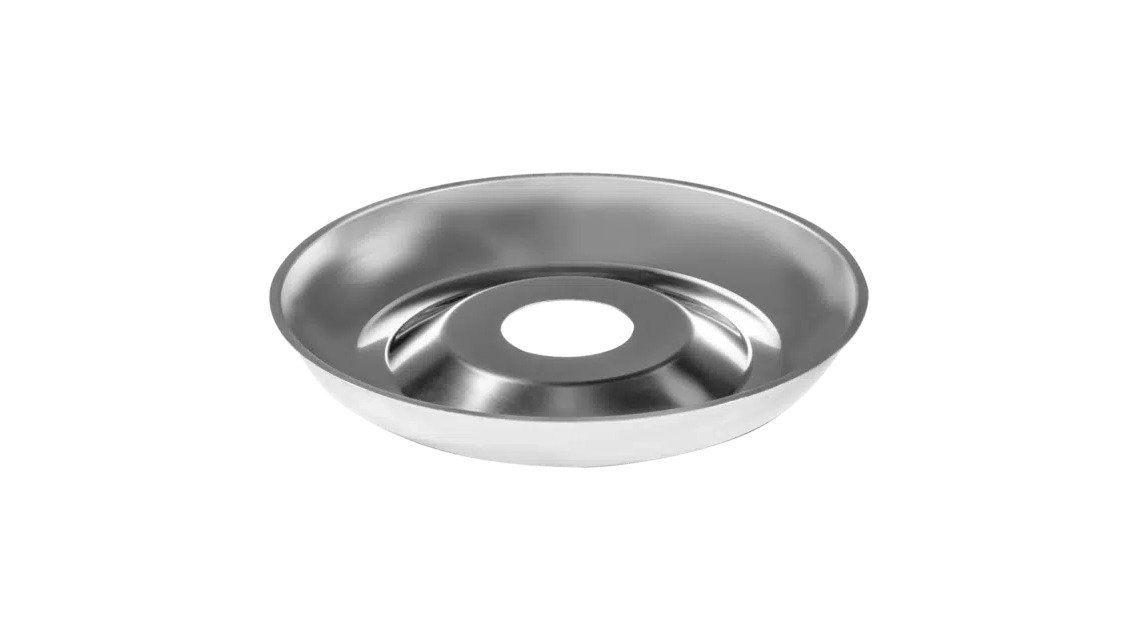
The Omnia oven is a three-piece stovetop baking system that turns a single camp stove burner into a working oven. A bowl-shaped stainless steel base, a mold, and a vented lid circulate hot air around the food instead of cooking it from below alone.

Here's the lie every camp cook tells themselves: "We'll just eat sandwiches again." Three days in, you'd trade a kidney for a warm cinnamon roll. That's the gap the Omnia oven fills.
The core argument is simple. Most camp kitchens can boil, fry, and reheat. Almost none can bake. The Omnia oven adds baking capability without the weight, fuel load, or coal management a Dutch oven demands.
The Three Parts, and What Each One Is Doing
Most reviews list the parts and move on. The parts are the whole mechanism, so here's what each one does.
- The base. A bowl-shaped stainless steel shell that sits over the burner. It's the heat collector: the flame heats the metal, which radiates and convects heat upward.
- The mold. The pan your food goes in. It hangs inside the base with a deliberate gap between the mold's bottom and the base's bottom. That gap is the oven. Food never touches the hottest surface directly, which is why you get a bake instead of a scorch.
- The lid. Vented, and it sits over the top of the base. The vents let moisture escape so your bread crusts instead of steaming, and keep hot air moving instead of stagnating.
Stack those three and you've built a small convection oven out of a pot.
Heat distribution is the whole trick. The base sits over the flame, the mold hangs inside it, and the lid traps and redirects heat so the top of your food browns too.
Why the Air Gap Is the Entire Product
If you take one thing from this section: the Omnia works because of the gap between the base and the mold. Hot air, not direct flame, does the baking.
That gap is also the first thing that fails when people use it wrong. Set the mold into a base that's been on high flame for ten minutes and you've closed the distance between heat source and food.
What It Is Not
It is not a Dutch oven. A Dutch oven holds heat in a heavy mass and bakes from all sides with radiant heat from coals. The Omnia bakes from one direction with a moving air column.
It's also not a substitute for a home oven's precision. No thermostat, no dial that says 350 °F, no window. You're reading the flame and the food, not a display.
How to Use Omnia Oven: Setup, Preheating, and Flame Control
How to use an Omnia oven comes down to three moves: assemble all three parts, preheat the empty base, then drop the flame to low and leave the lid on. Skip one and you'll join the "why is my bread raw in the middle" club.
Setup takes about a minute:
- Set the base on the burner, centered, never overhanging the stove rim.
- Drop in the mold, then add your batter, dough, or casserole.
- Seat the lid and confirm the vents are clear.
The base runs extremely hot, so keep it centered and never let the bottom edge touch the stove's rim. The stainless will discolor from heat, normal, not a defect.
Preheating and Reading the Heat
Preheat the empty base for a few minutes before the mold goes in. You want the metal hot, not glowing. Once food is in, dial the flame to low and let the oven work.
Flame regulation is where beginners struggle. If the lid is too hot to hover your hand over, the flame is too high. Bottom heat does the baking; the lid's vents handle thermal circulation.
Fuel Source Compatibility: What Actually Works
This is the part most write-ups skip, and it decides whether your first bake succeeds. The Omnia needs one thing from a heat source: a stable, low, adjustable flame. Not high output, adjustable output.
- Propane camp stoves. The standard pairing. Two-burner suitcase and single-burner backpacking stoves both work if the valve gives fine control at the low end. Test yours with an empty base before you trust it with batter.
- Butane burners. These run hot with a narrow adjustment range. They can work, but the low setting on many portable units is still hotter than a propane stove's low. Expect to babysit the flame.
- Multi-fuel and liquid-fuel stoves. Capable, but simmer control varies widely. If your stove's low setting is more on/off switch than dial, you'll fight scorched bottoms all day.
- Induction and electric. Not applicable to the standard Omnia, which is designed for direct flame. If you're cooking indoors, use your actual oven.
- Open fire and coals. Possible with a grate and a very low bed of coals, but you lose the fine flame control that makes the Omnia predictable. Treat it as advanced.
Heat Management: The Fix for Uneven Baking
Uneven baking is the most common complaint about the Omnia, and it's almost always a heat problem, not a product problem.
Use a heat diffuser. A thin metal plate between the burner and the base spreads the flame's hot spot across a wider area.
Rotate the mold. Camp stoves rarely heat evenly across the burner.
Keep the lid vents clear. If they clog with batter or get covered, the air stops moving and the top stops browning.
A Pre-Bake Check
Before you commit batter to the mold:
- Is the base centered on the burner, not overhanging the rim?
- Is the flame on low, with a diffuser or foil layer if your stove runs hot?
- Are the lid vents clear?
- Is the stove sheltered from wind?
- Do you have a skewer or toothpick for testing doneness?
Five yeses and you're ready. Any no and you're learning the lesson the hard way.
Omnia Oven Recipes: What You Can Actually Bake and Cook
Omnia oven recipes cover more ground than most people expect: bread, cakes, casseroles, roasted vegetables, pizza, lasagna, and reheated leftovers all work. The included cookbook packs 46 recipes across 132 pages.

What works reliably:
- Quick breads and small cakes
- Casseroles and layered dishes
- Roasted vegetables and potatoes
- Reheated stews and leftovers
- Small pizzas and flatbreads
What fights you: anything needing a screaming-hot oven for a crisp crust, and anything tall enough to press against the lid. The mold is shallow, so treat it as a small-volume oven, not a full-size one.
Recipe Scaling for One or Two People
Scale your standard recipe to roughly half and expect a longer, gentler bake. A loaf that takes 35 minutes at home may need 45 to 55 here at low flame. Check doneness with a skewer, not the clock, wind and ambient temperature change everything at camp.
Omnia Oven Silicone Liner and Accessories: Worth Adding?
The Omnia oven silicone liner and the non-stick pan are the two add-ons people ask about most, and both solve the same problem: cleanup. The non-stick pan is ceramic-coated inside, PTFE-free, and meets LFGB and FDA standards, though it's hand-wash only.

The three accessories worth considering:
Accessory |
Price |
What It Solves |
Skip It If |
|---|---|---|---|
Non-stick pan |
$34.99 |
Sticking, hard cleanup |
You already own the standard mold |
Silicone liner |
Varies |
Fast wipe-out between bakes |
You're weight-focused |
Cookbook |
$24.99 |
Recipe paralysis |
You cook by feel already |
The non-stick pan is the one I'd buy first. Ceramic coating plus hand-washing beats scraping burnt batter at 7 a.m.
Best Camp Oven for Van Life: Who the Omnia Fits and Who It Doesn't
The best camp oven for van life stores flat, runs on the stove you already carry, and doesn't demand a second fuel source. The Omnia checks all three. The base alone weighs about 6 ounces, measures 9 inches across, and nests into a cabinet corner.
Who it's for:
- Van-lifers and overlanders with a one- or two-burner stove
- Car campers tired of the same three meals
- Anyone who wants fresh bread without hauling a Dutch oven and a bag of charcoal
Who should skip it:
- Backpackers counting every ounce
- Anyone expecting full-size oven browning
- Campers who only boil water
Troubleshooting Uneven Heat and Long-Term Durability
Uneven baking is the most common complaint, and it's almost always a flame problem, not a product problem.
Fuel source compatibility matters too. The Omnia oven works over propane camp stoves, butane burners, and most two-burner setups. It needs a stable, low, adjustable flame.
On durability: the stainless base is 0.02-inch SS 430 and will discolor with heat. That's cosmetic.
Verdict: Is the Omnia Oven Worth It?
Yes, for anyone who cooks on a camp stove and wants to bake.
Where it falls short: the shallow mold limits what you can bake, and it demands attention to flame control. Not a set-and-forget appliance.
If you're building out a rig, GTFOverland carries the Omnia oven base, the non-stick pan, and the cookbook, all personally tested by a team that actually camps.
Frequently Asked Questions
How does an Omnia oven work on a camp stove?
The Omnia oven uses three parts: a stainless steel base, a mold, and a lid. The base sits on your stove burner and channels hot air up around the bowl-shaped mold, so heat reaches the food from below and from the top through the lid. No water goes in the base, just hot air. That design is what turns a single burner into a real baking environment, and it's why the base must always be paired with both the mold and lid.
Can you bake bread in an Omnia oven?
Yes. Bread is one of the most common things people bake in an Omnia oven, along with pizza, lasagna, chicken dishes, and cakes. The lid traps heat from above while the base circulates it from below, which gives you the top-and-bottom heat bread needs. Preheating the unit before the dough goes in makes a noticeable difference, and smaller loaves bake more evenly than one big dense one.
Is the Omnia oven worth the weight for camping?
The base weighs 6 ounces, and the full three-part setup stays light enough to justify its space in a car or van kit. It's not a backpacking item for most people, but for overlanders, van-lifers, and car campers who already carry a stove, it adds baking capability without adding a second fuel source or a heavy Dutch oven. If you only boil water on trips, skip it.
What kind of stove do you need for an Omnia oven?
You need a stove with a stable burner that can hold a 9-inch diameter base in the middle, with room for the base not to touch the stove's rim. The base gets extremely hot, above 527 degrees Fahrenheit, so a wobbly or undersized burner is a bad match. Two-burner propane stoves and most van-life single burners work well; check that the base sits flat before you cook.
How do you prevent food from burning in an Omnia oven?
Keep the flame low and consistent, preheat before adding food, and don't walk away for the first ten minutes. Uneven results usually come from a flame that's too high or a base sitting off-center on the burner. Rotating the mold partway through helps, and a silicone liner or light oiling keeps sticky recipes from welding themselves to the pan. Hand-wash the coated pan; it isn't dishwasher safe.
The hard part isn't buying an Omnia oven. It's remembering that low flame and patience beat a hot burner every time. Get the gear, learn the flame, and stop eating cold sandwiches three days into a trip. GTFOverland has the tested kit and the people who'll walk you through it. Life happens out there.




Leave a comment